










Hidden Japan: Discovering the Country Beyond the Usual Path
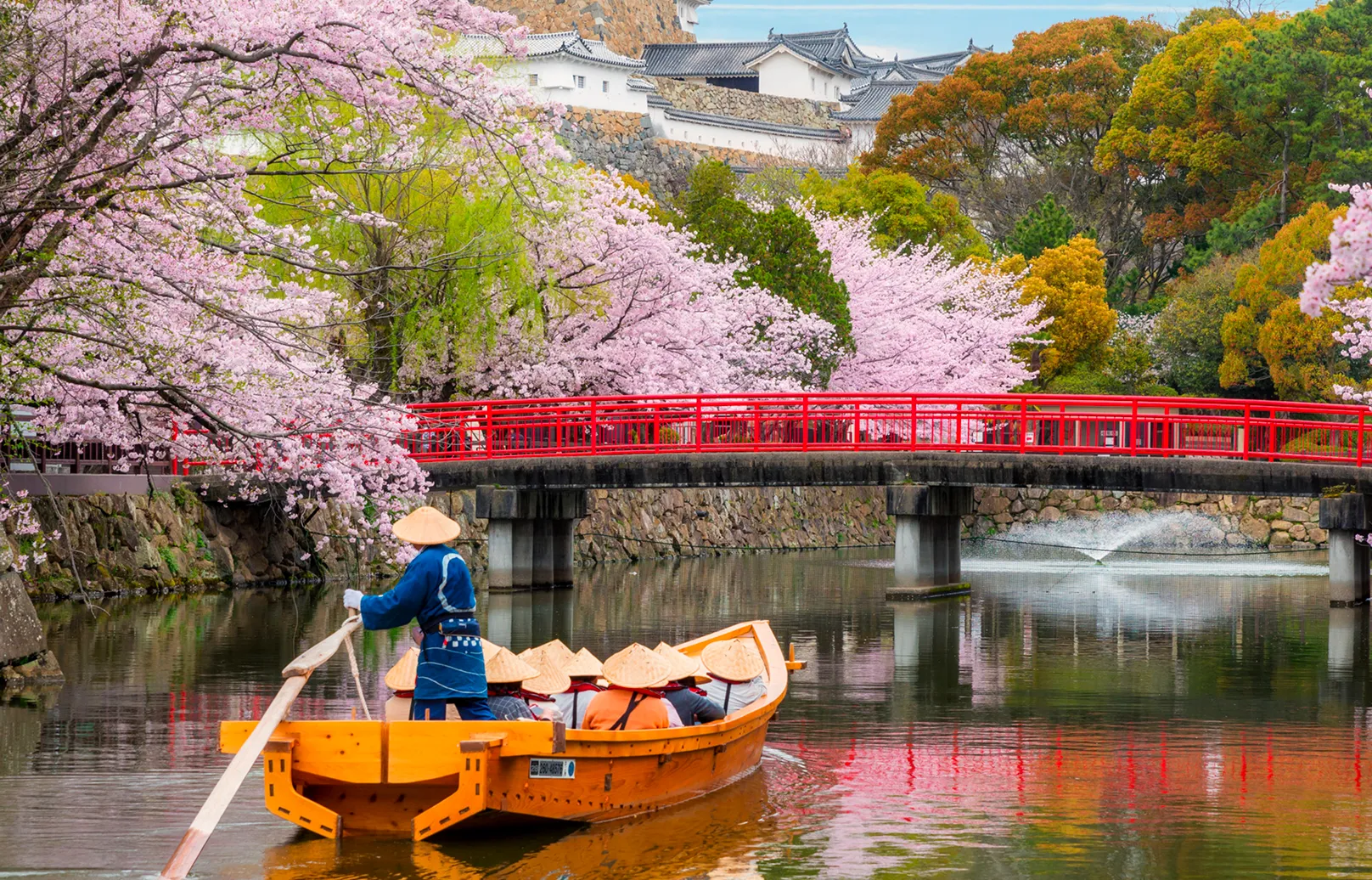
When people think of Japan, images of neon-lit Tokyo streets, Kyoto’s iconic temples, and Mount Fuji often come to mind. While these destinations are remarkable, there exists another side of the country—quiet, authentic, and deeply rooted in tradition. This is Hidden Japan, a world that reveals itself to those willing to step beyond the familiar routes.
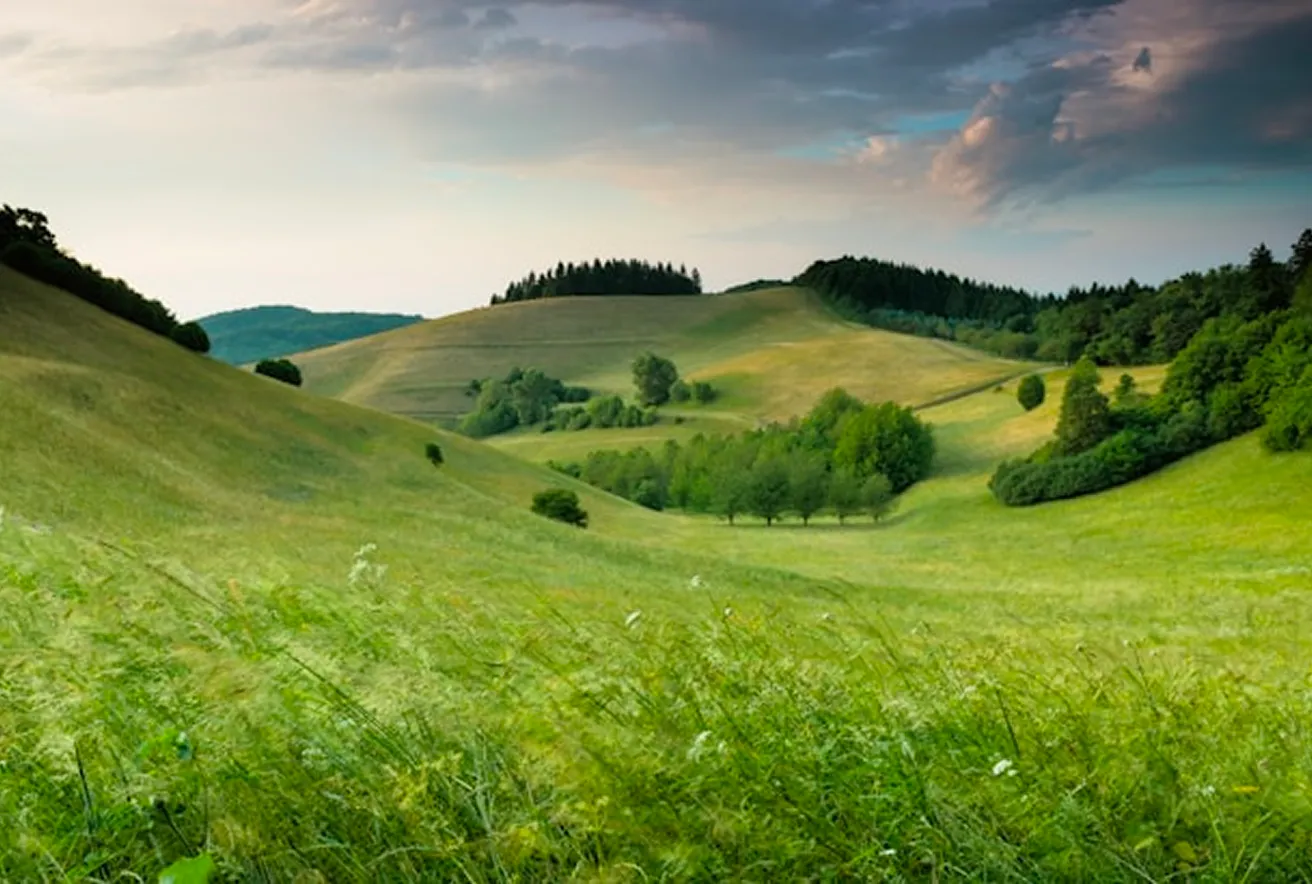
Rural Landscapes and Timeless Villages
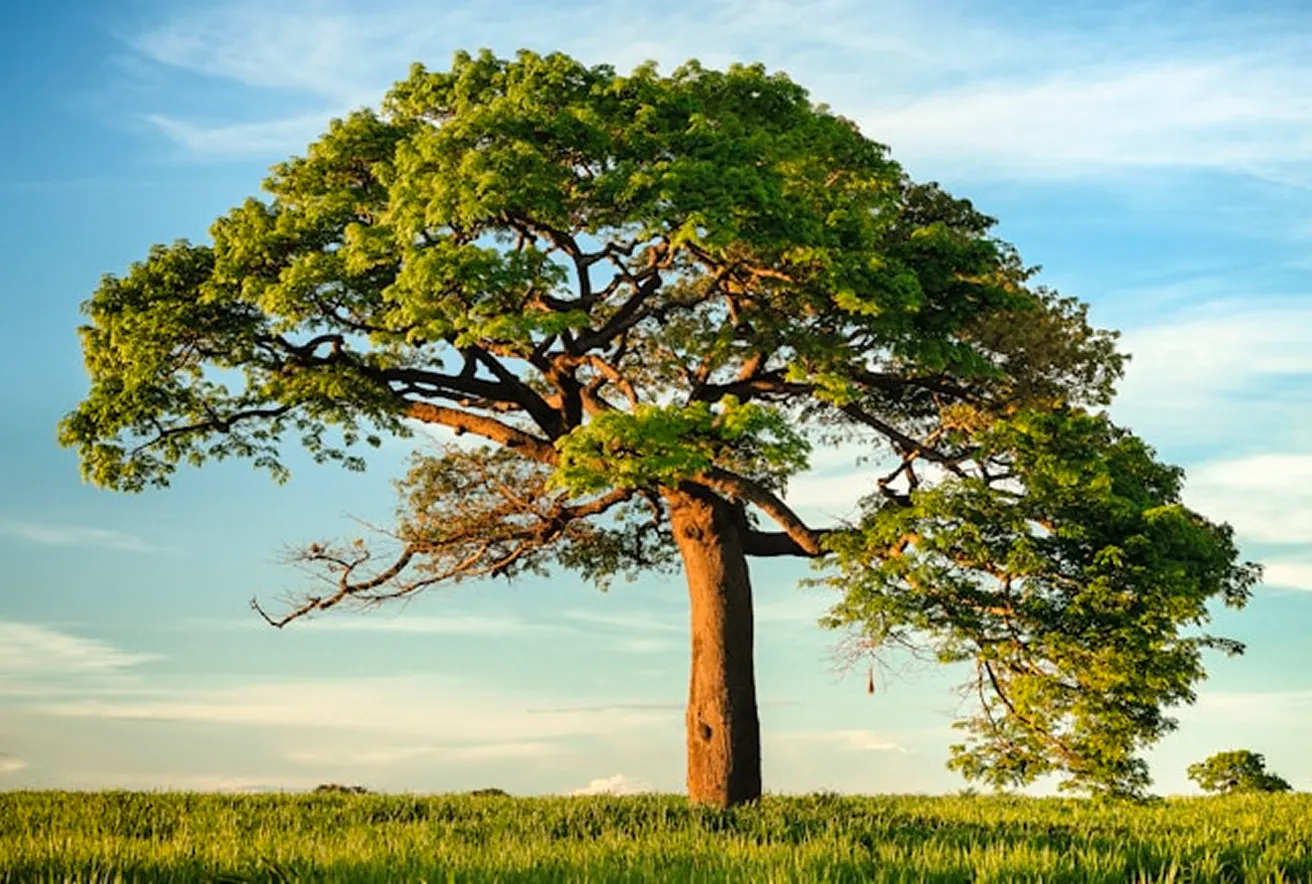
Away from the major cities, Japan’s countryside offers a glimpse into a slower, more grounded way of life. Villages such as Shirakawa-go, with their traditional gassho-zukuri farmhouses, preserve architectural styles that have endured for centuries. Terraced rice fields, mountain forests, and coastal hamlets create landscapes shaped by nature and tradition working in harmony.
In these regions, daily life follows the seasons. Local festivals, agricultural rituals, and community gatherings reflect customs passed down through generations, offering travelers an authentic cultural experience rarely found in urban centers.
Cultural Traditions Off the Beaten Path
Hidden Japan is rich in cultural practices that remain largely untouched by mass tourism. Regional crafts such as handmade washi paper, lacquerware, and indigo dyeing continue to thrive in small workshops. Visiting these artisans provides insight into Japan’s dedication to craftsmanship, patience, and precision.
Traditional performing arts, including local forms of Noh, Kabuki, and folk dances, are often preserved in rural areas. These performances are intimate and deeply connected to regional identity, offering a more personal connection to Japan’s artistic heritage.
Spiritual Retreats and Sacred Spaces
Japan’s spiritual depth extends far beyond its famous shrines and temples. Remote mountain monasteries, forest shrines, and pilgrimage routes such as the Kumano Kodo offer peaceful environments for reflection and renewal. These sacred spaces emphasize the Japanese belief in the spiritual presence of nature, known as Shinto, and the meditative practices of Buddhism.
For travelers seeking tranquility, temple stays in lesser-known regions provide opportunities to participate in meditation, morning rituals, and simple, mindful living.
Regional Cuisine and Local Flavors
One of the most rewarding aspects of exploring Hidden Japan is discovering its regional cuisine. Each area has its own specialties, shaped by local ingredients and climate. From rustic mountain dishes to fresh coastal seafood, these meals reflect a strong connection between food, land, and culture.
Dining in family-run inns or local eateries allows visitors to experience genuine hospitality and flavors rarely found in international restaurants.


Conclusion
Hidden Japan offers a deeper understanding of the country’s identity—one that extends beyond modern skylines and popular landmarks. It is found in quiet villages, enduring traditions, sacred landscapes, and the warmth of local communities.
For travelers seeking authenticity, reflection, and cultural immersion, Hidden Japan awaits, ready to reveal its stories to those who choose to look beyond the obvious.