





Tibet Awaits: A Journey into Culture, Spirituality, and Timeless Landscapes
Tibet stands as one of the world’s most extraordinary destinations—an elevated land where geography, spirituality, and culture intersect to create an experience unlike any other. Often referred to as the “Roof of the World,” Tibet offers travelers a rare opportunity to explore ancient traditions, dramatic landscapes, and a way of life deeply rooted in mindfulness and harmony with nature.
A Land Defined by Altitude and Awe
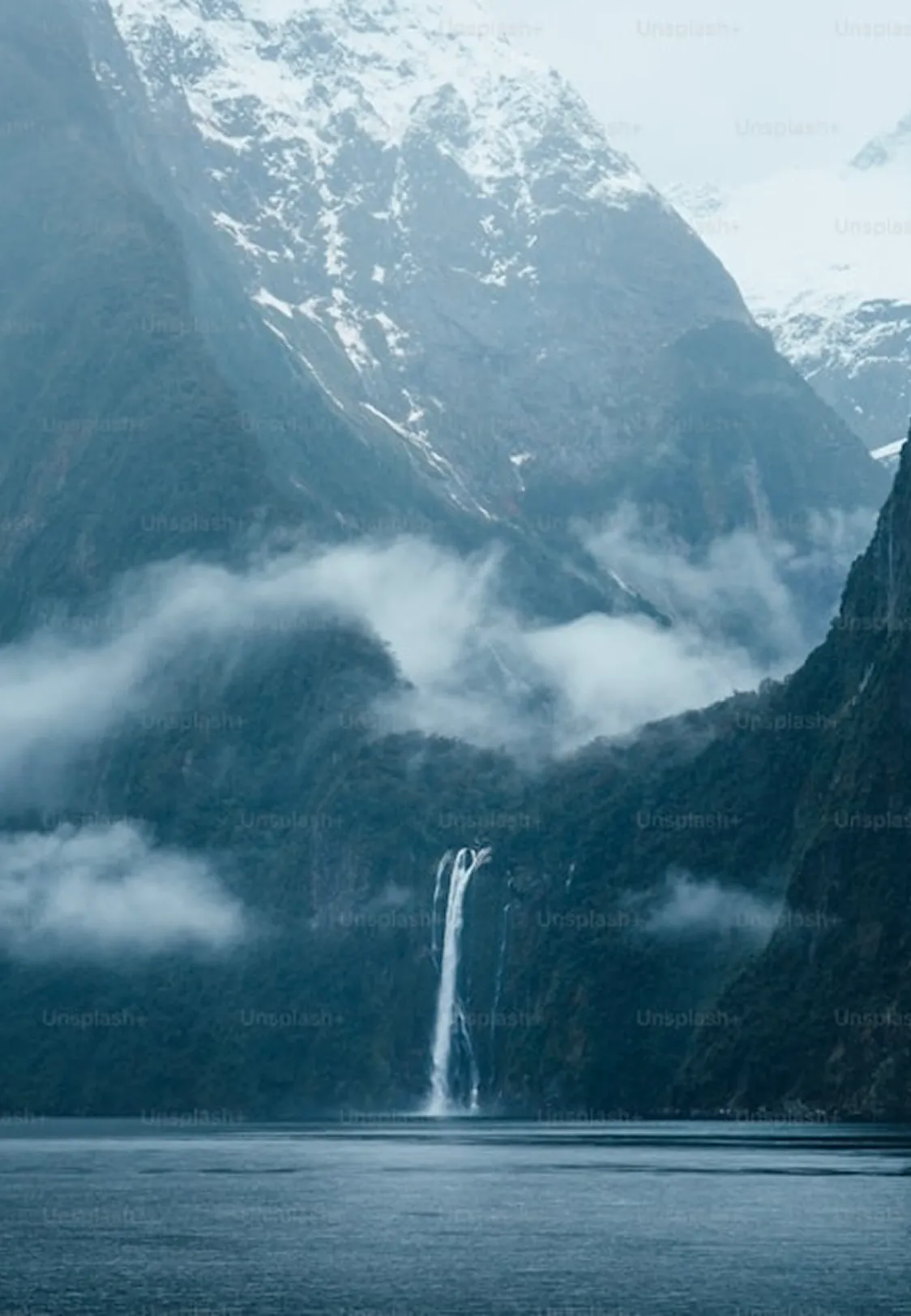
Situated on the world’s highest plateau, Tibet is surrounded by some of the most formidable mountain ranges on Earth, including the Himalayas. The region’s vast open spaces, snow-capped peaks, and crystal-clear skies create a sense of scale and serenity that is difficult to find elsewhere. This natural environment not only shapes Tibet’s climate but also influences the rhythm of life, encouraging a slower, more intentional pace.
Cultural Heritage and Spiritual Depth
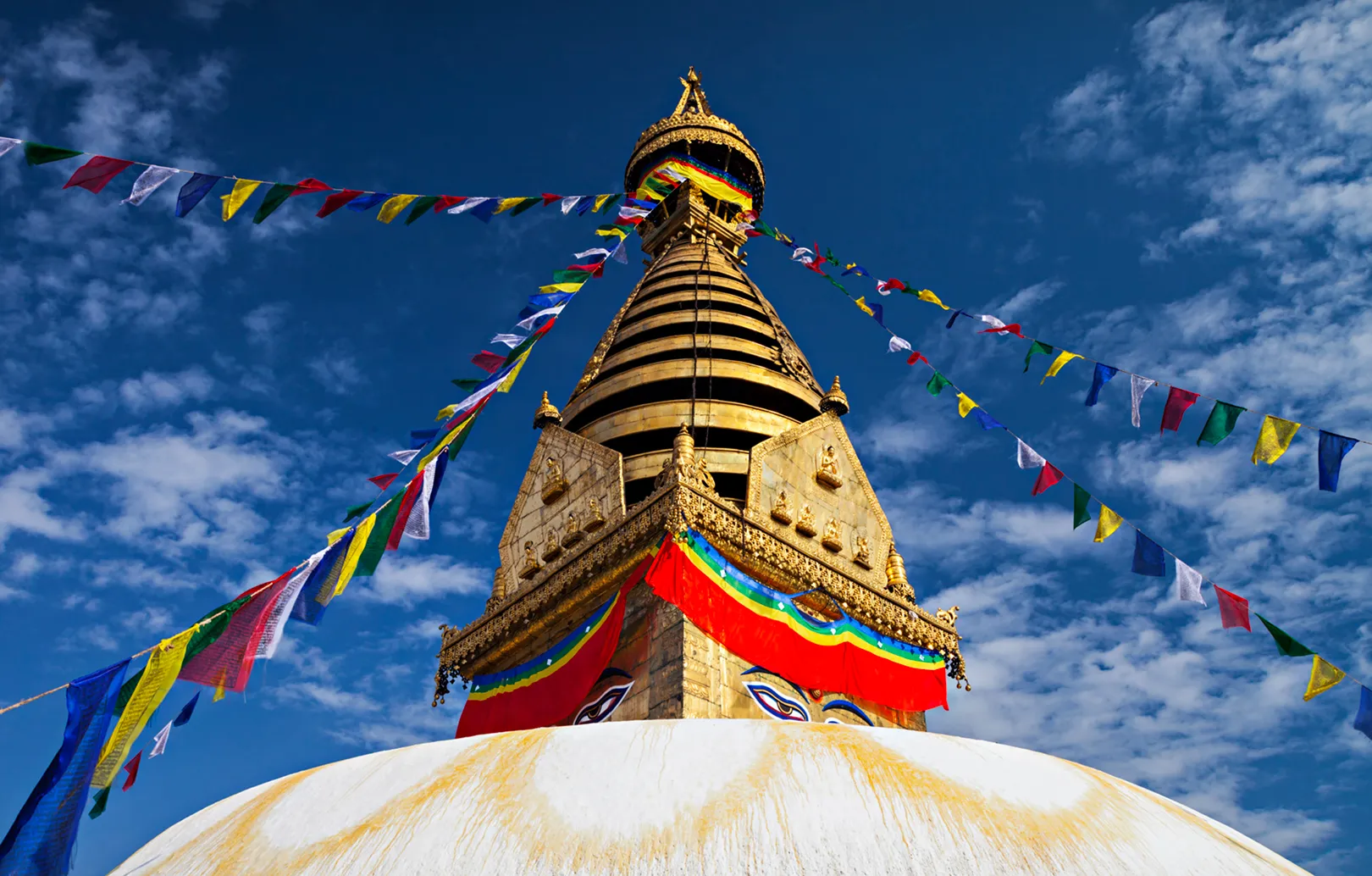
Tibet is globally recognized as the heartland of Tibetan Buddhism. Monasteries, stupas, and prayer flags are integral parts of the landscape, reflecting a spiritual tradition that has endured for centuries. The Potala Palace in Lhasa, a UNESCO World Heritage Site, stands as a powerful symbol of Tibet’s religious and political history. Visiting such landmarks provides insight into a culture where faith, art, and daily life are seamlessly intertwined.
Monasteries such as Jokhang, Sera, and Drepung continue to serve as active centers of learning and worship. The sight of monks engaged in debate, meditation, and ritual offers visitors an authentic glimpse into a living spiritual tradition rather than a preserved relic of the past.
Natural Wonders Beyond the Cities
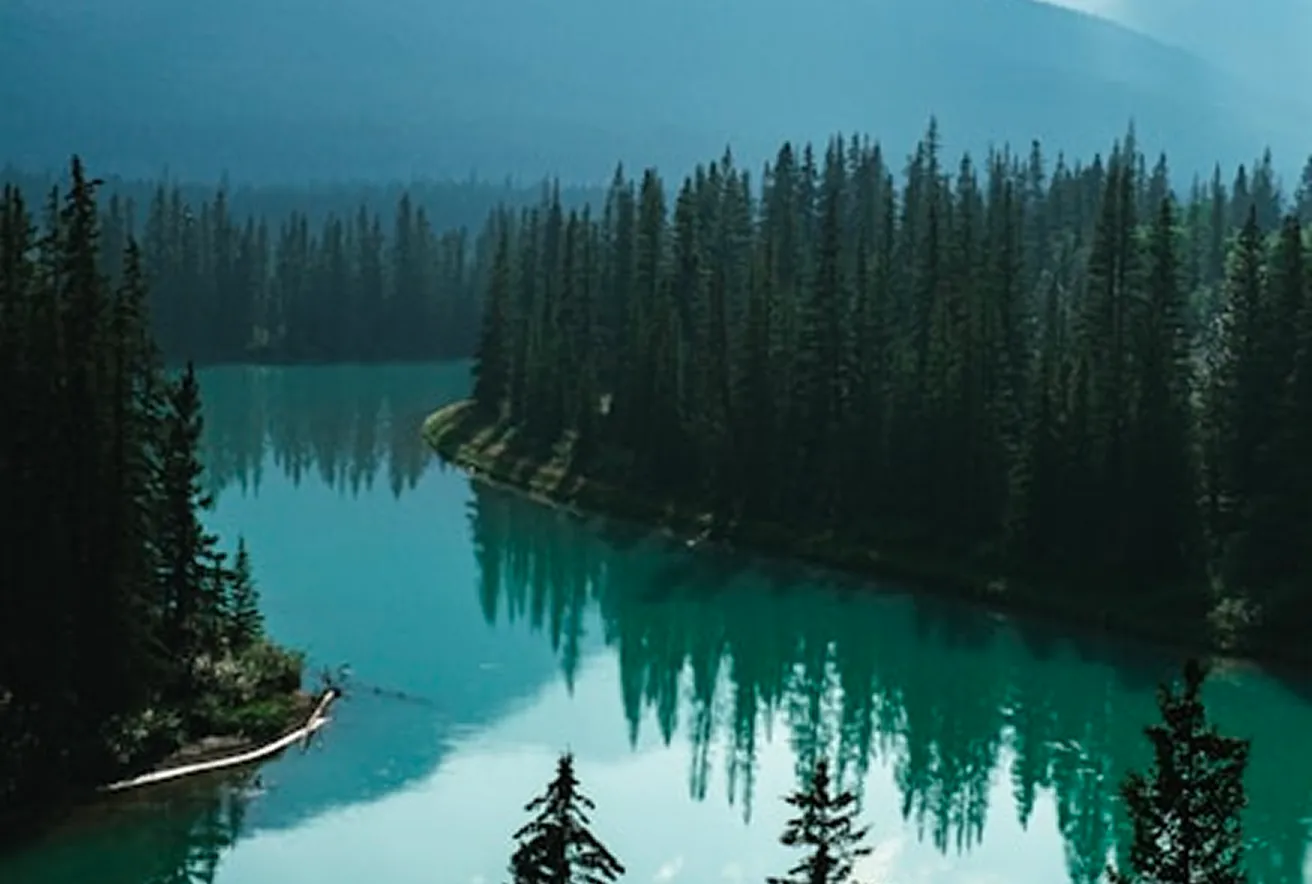
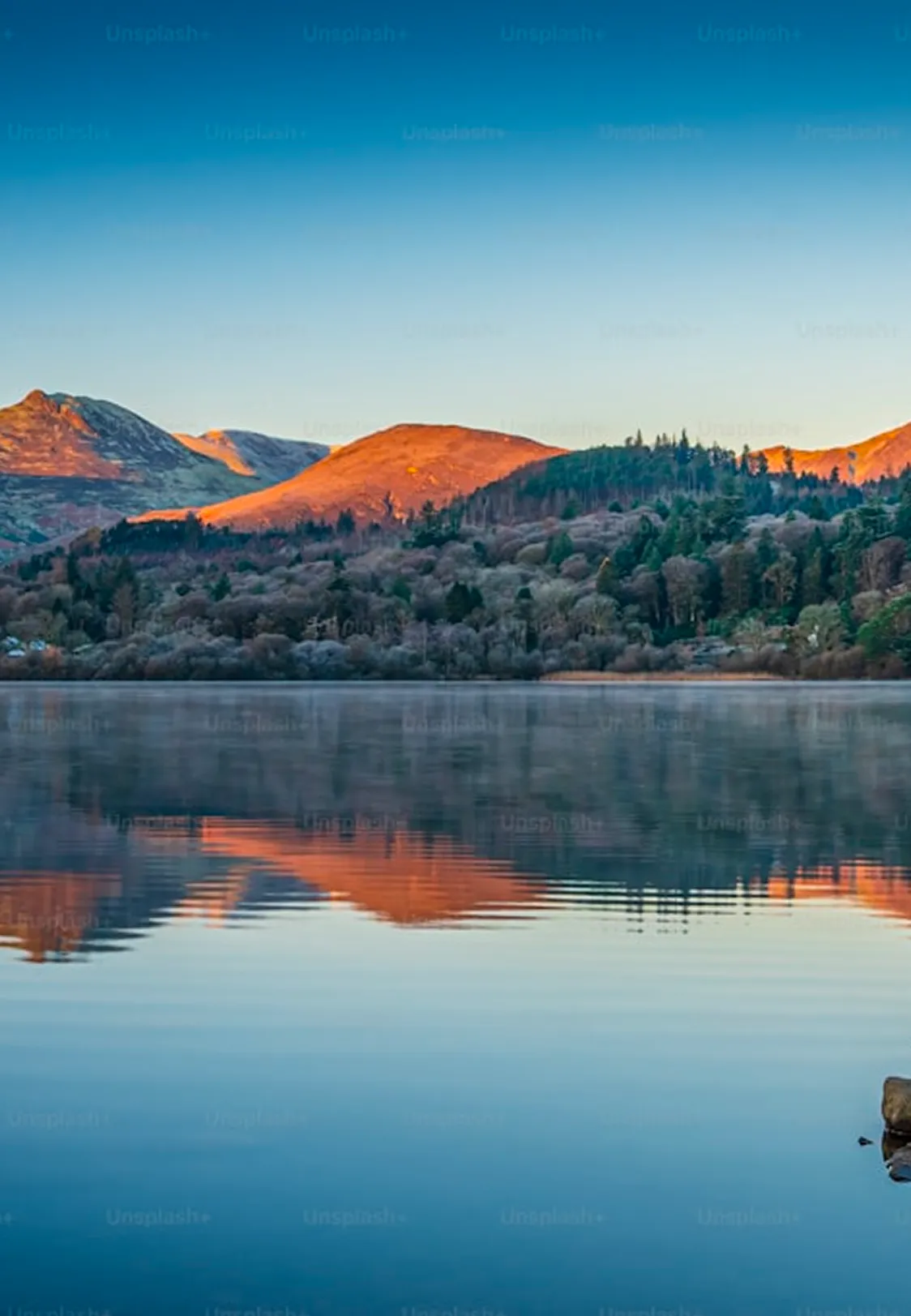
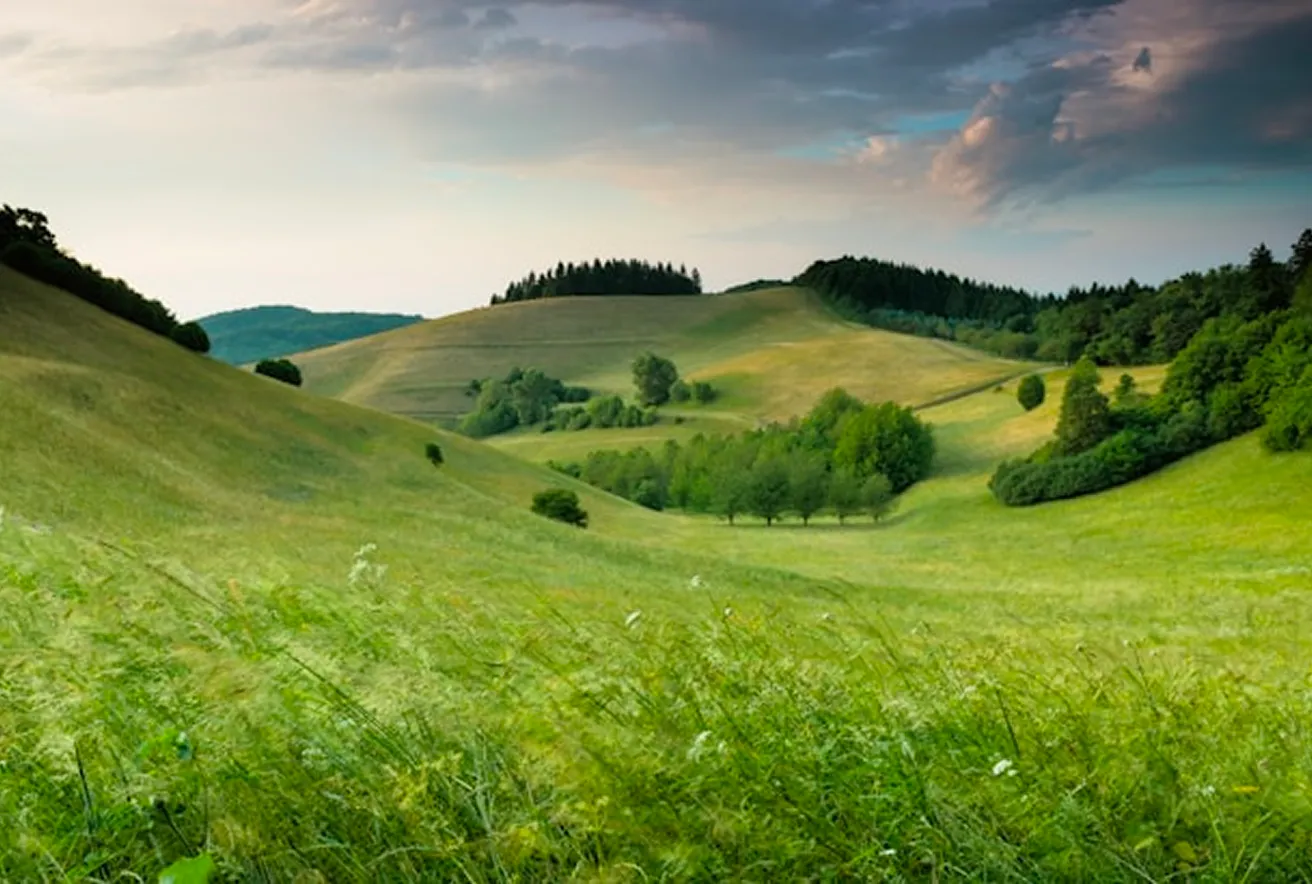
Beyond Lhasa, Tibet reveals a landscape of remarkable diversity. Sacred lakes such as Yamdrok and Namtso are revered for their spiritual significance and striking beauty, their turquoise waters contrasting sharply with the surrounding mountains. Remote valleys and grasslands are home to nomadic communities who maintain traditional lifestyles, emphasizing sustainability and respect for the land.
These regions highlight Tibet’s deep connection to nature—an essential element of its cultural identity. Travelers often find that these quieter, less-traveled areas leave the most lasting impression.
Travel Considerations and Responsible Tourism
Traveling to Tibet requires thoughtful preparation. Due to its high altitude, acclimatization is essential for health and comfort. Additionally, special permits are required for most international travelers, making guided tours the most practical option.
Responsible tourism plays a crucial role in preserving Tibet’s fragile environment and cultural heritage. Respect for local customs, religious practices, and ecological balance ensures that future generations can continue to experience the region’s unique character.
Conclusion
Tibet is not simply a destination; it is an experience that encourages reflection, cultural understanding, and personal growth. Its landscapes inspire awe, its traditions offer insight into a deeply spiritual way of life, and its people exemplify resilience and simplicity.
For those seeking more than a conventional journey, Tibet awaits—offering not just sights to see, but perspectives to gain and values to carry forward long after the journey ends.